
AMPA Initiative
timeline
2025 – Present
role
Activity Designer
Volunteer
skills
Cognitive Game Design, Empathy Observation, Cross-Generational Communication
Observation
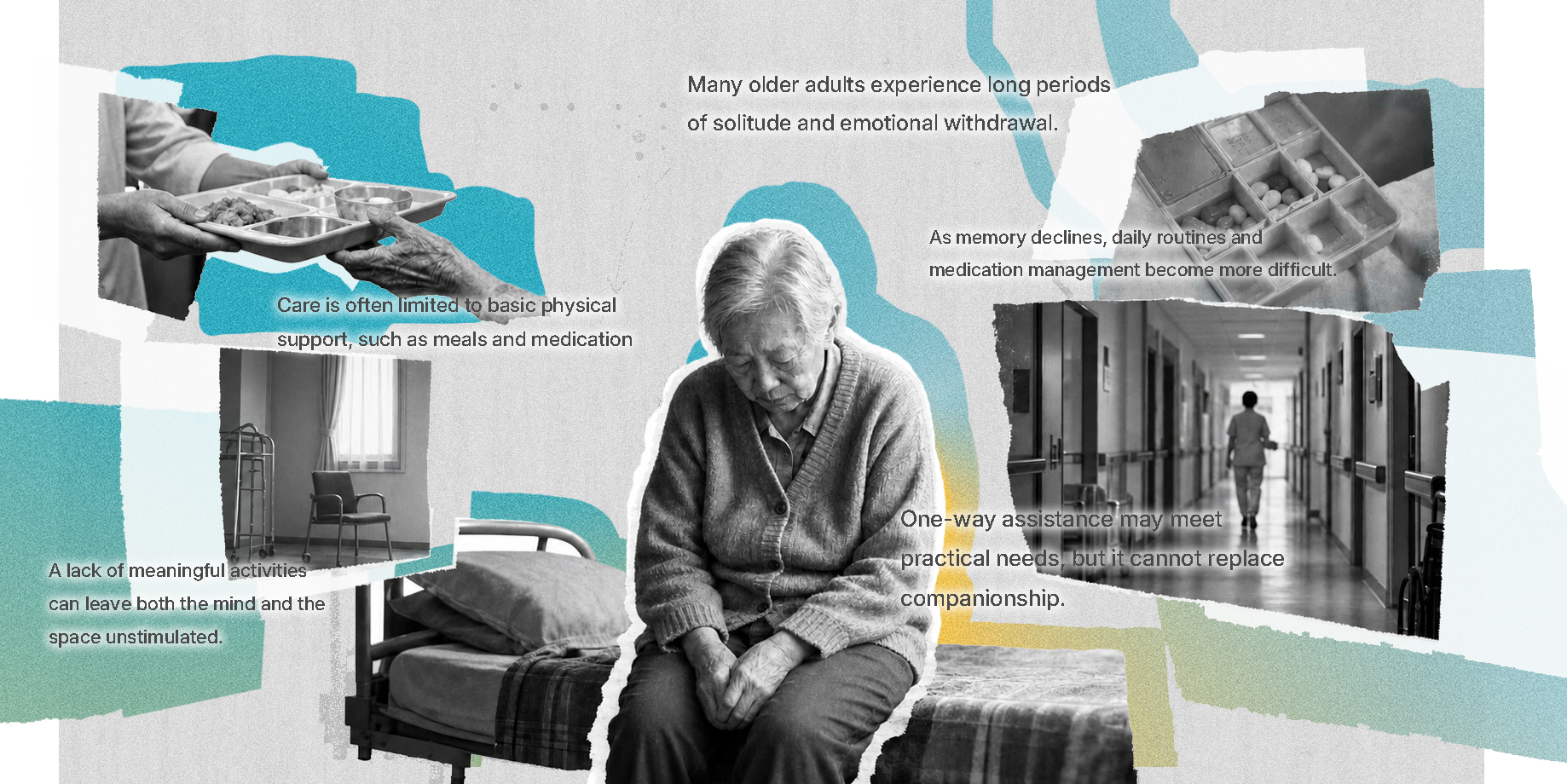
In our fast-paced modern society, senior citizens often face a dual crisis: a lingering sense of social isolation and gradual cognitive decline. My observations revealed that contemporary eldercare facilities predominantly focus on basic, one-way physical assistance while often lacking sufficient intellectual stimulation and meaningful emotional interaction. Concurrently, mathematics and logic are traditionally viewed as sterile, competitive tools, rarely applied to small-scale humanistic care. This separation between academic knowledge and the psychological needs of older adults can leave their mental and emotional well-being overlooked.
As a volunteer in the AMPA Initiative, I participated in a multi-branch, interscholastic, student-led outreach project serving senior citizens living in retirement homes. To support their mental lucidity and emotional well-being, students from different schools designed and led accessible activities through two integrated pathways: cognitive game design and lighthearted cross-generational conversation.
Action
To elevate the mental well-being of marginalized seniors, we implemented micro-level humanistic care through two integrated pathways
Game Design
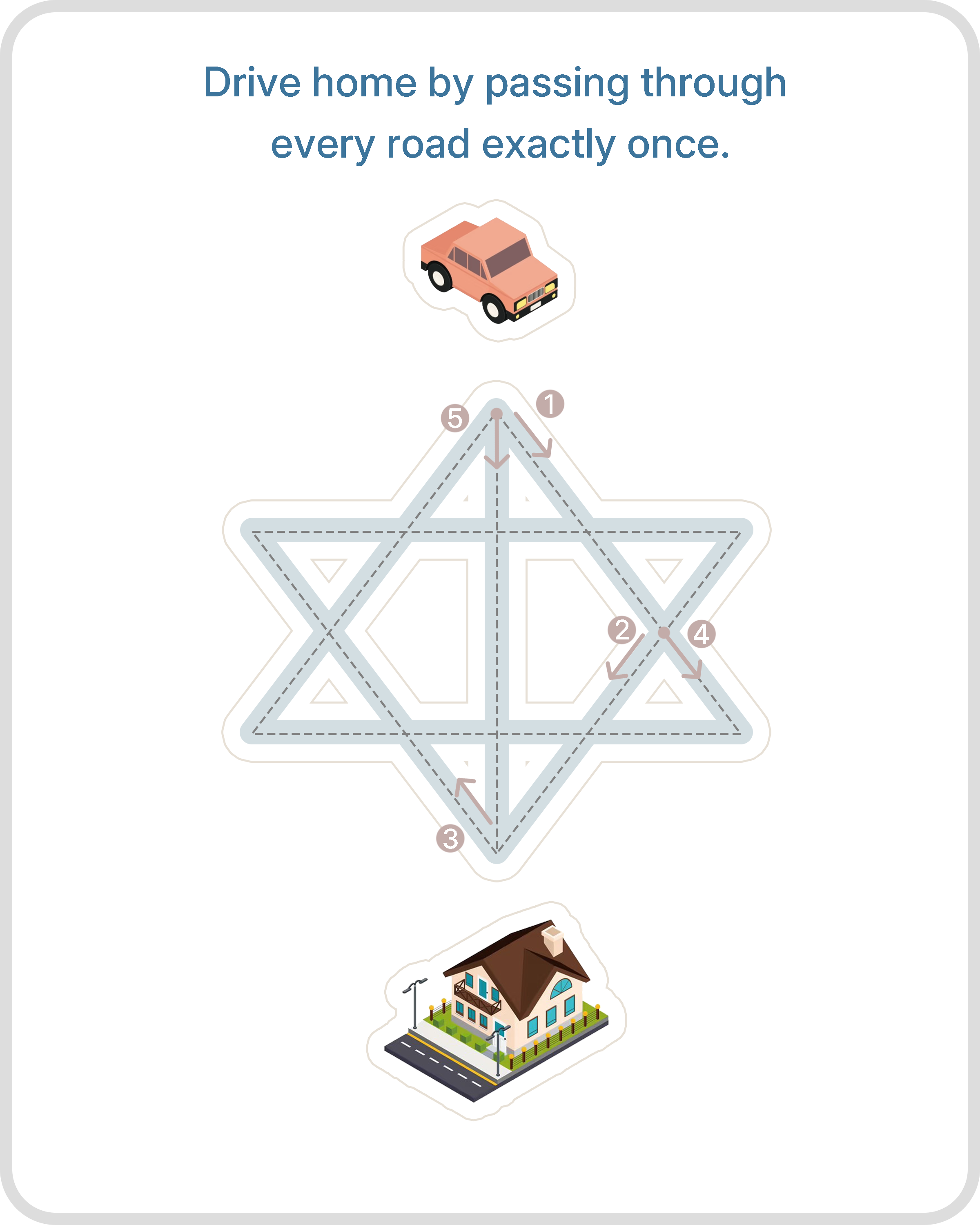
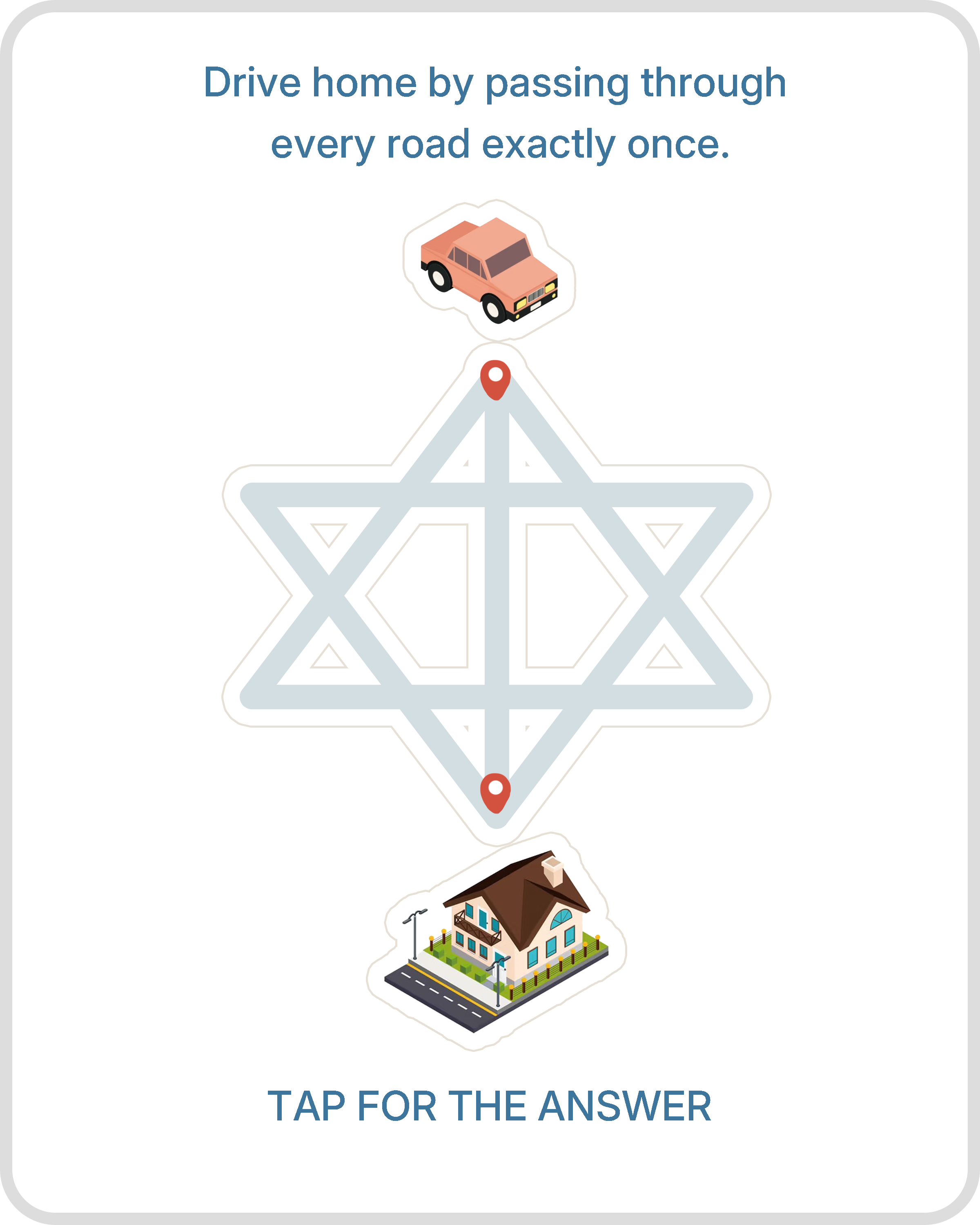
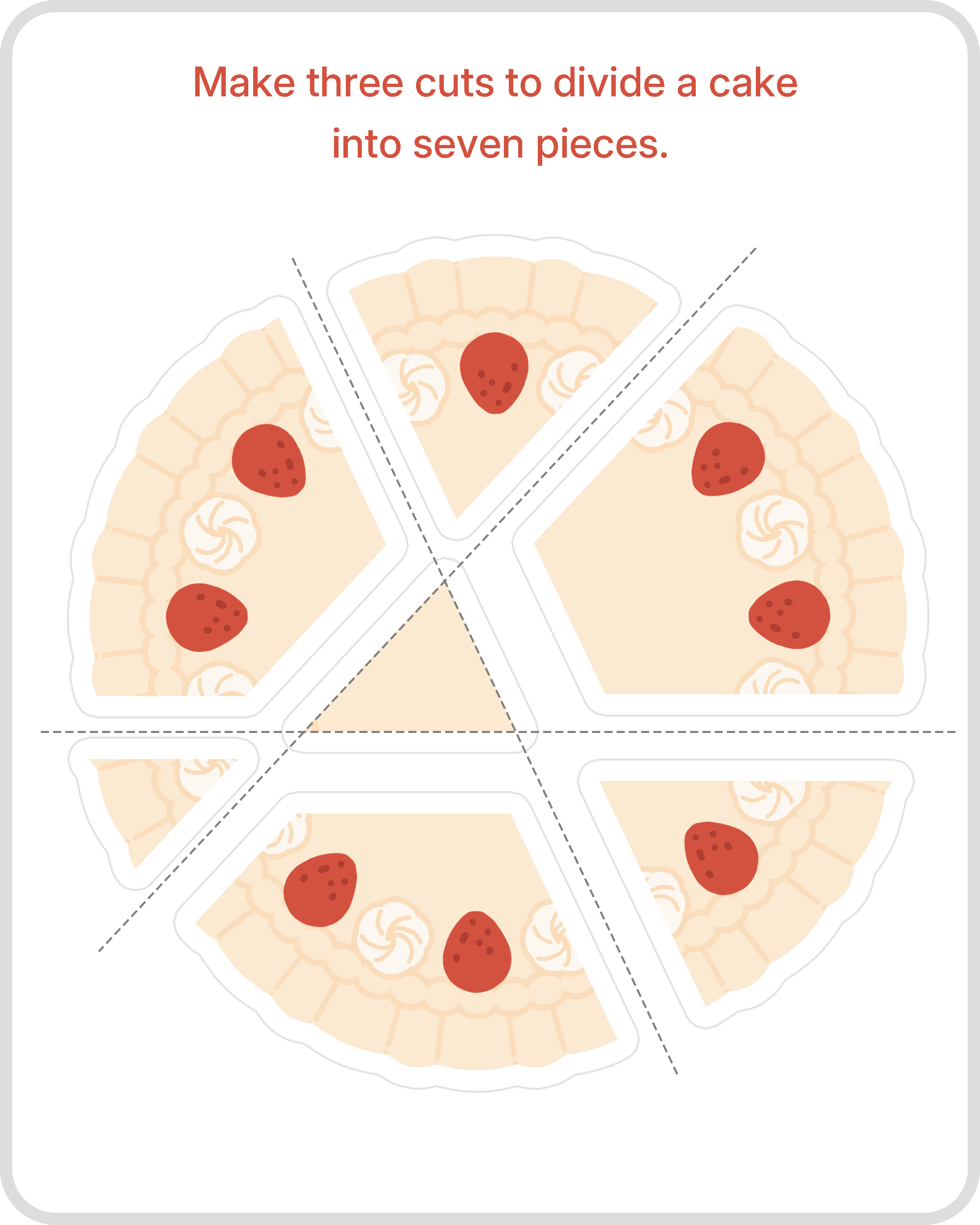
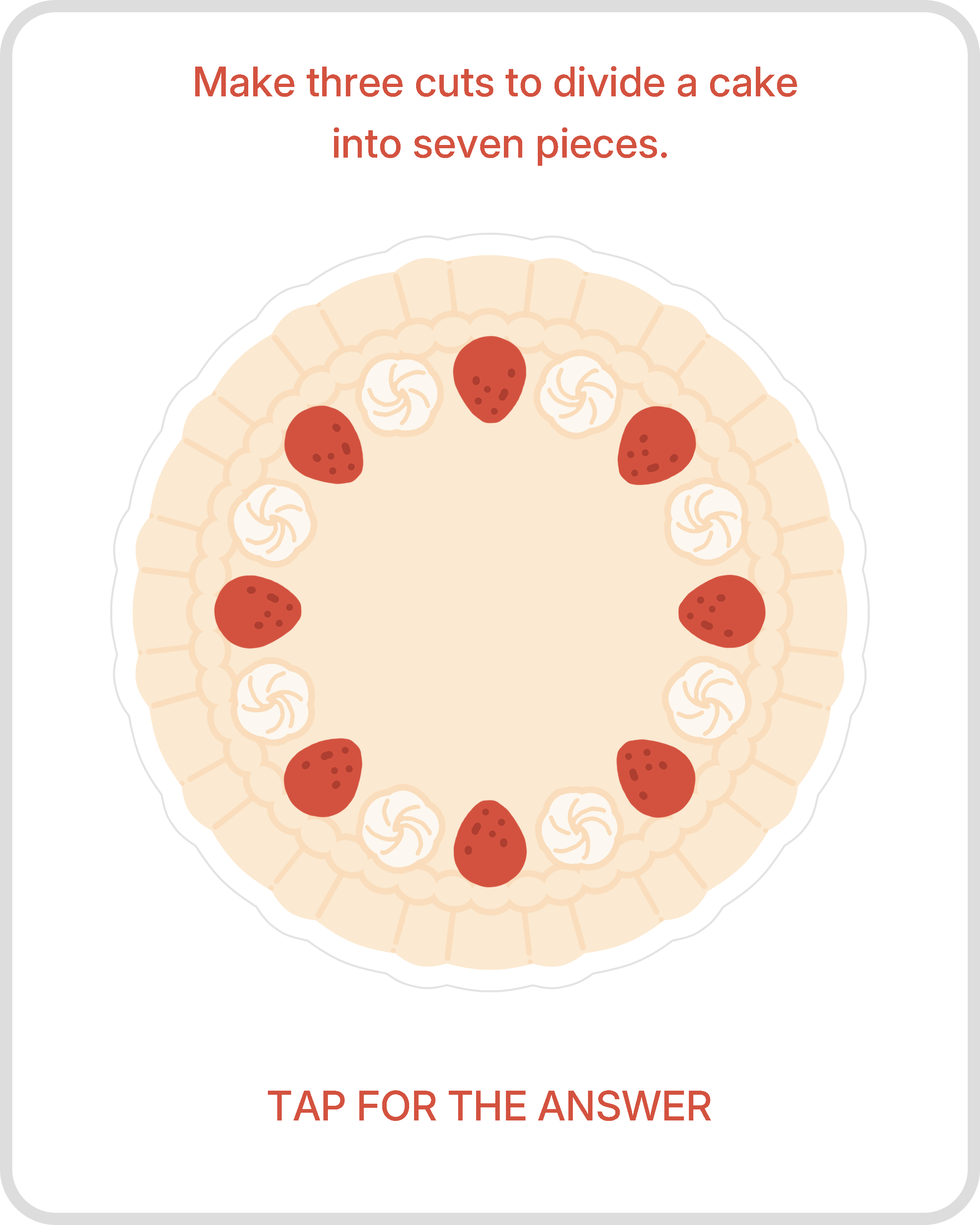
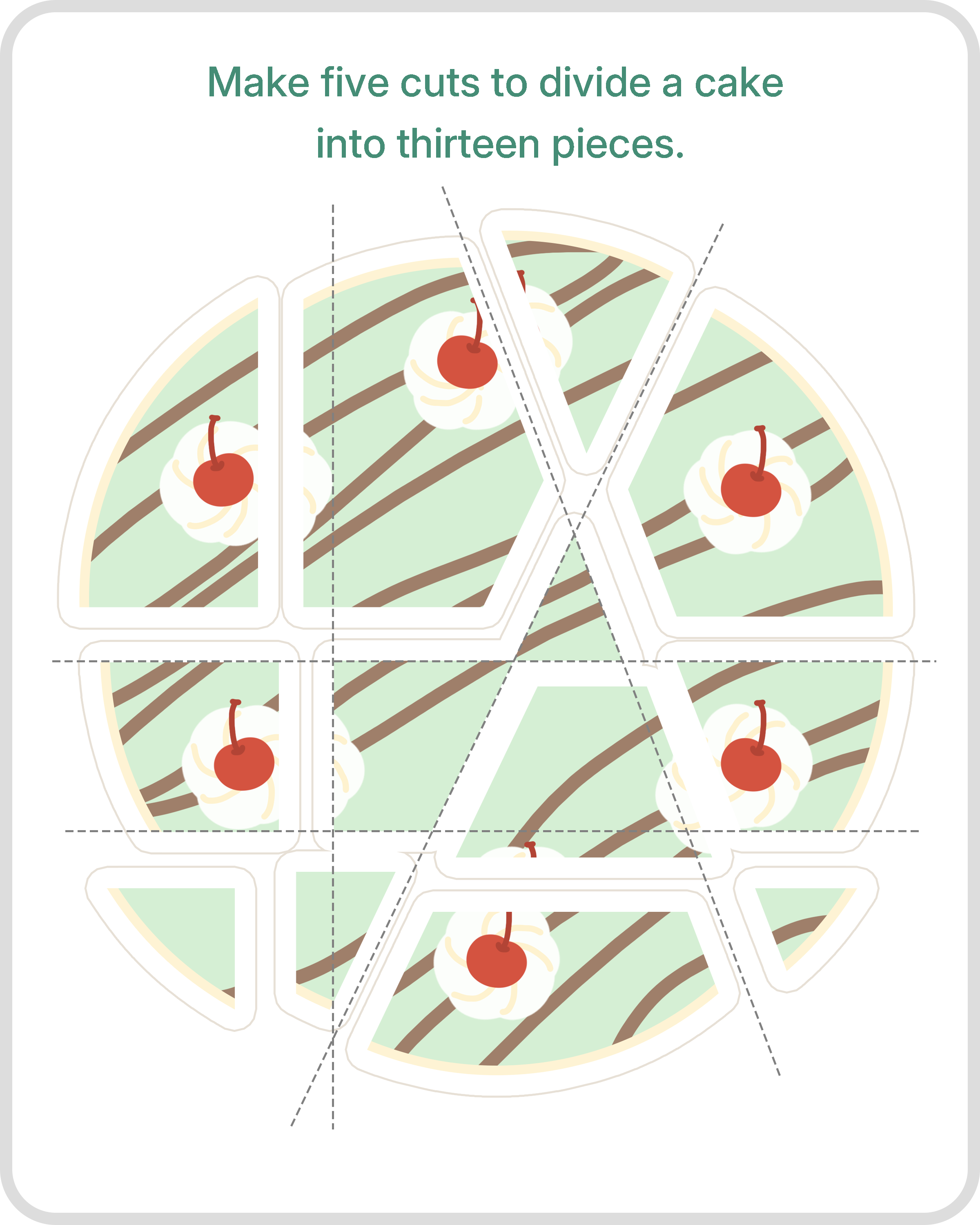
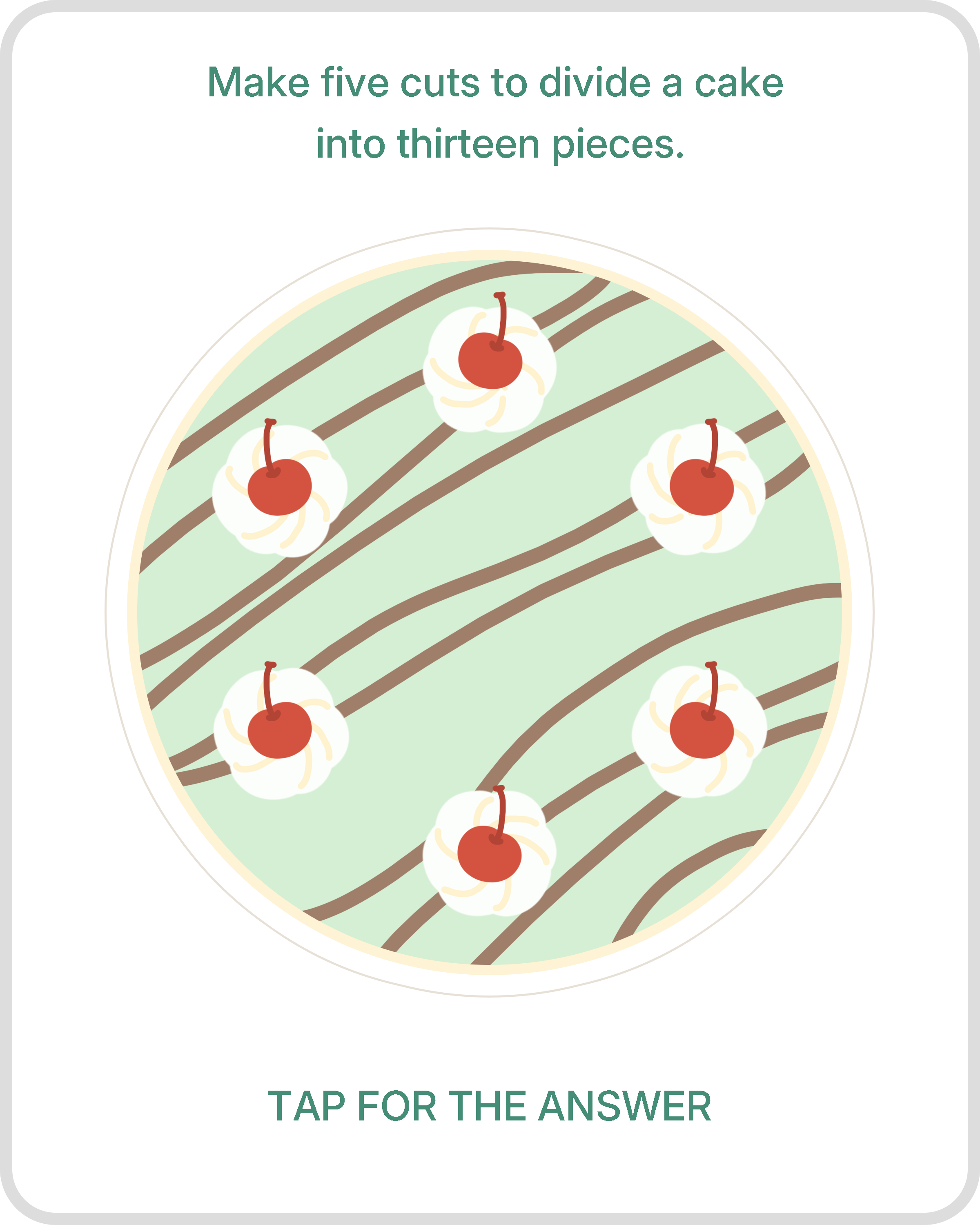
Rather than relying on dull or clinical cognitive tests, we created and led our own enjoyable number games, word games, and easy mathematical activities. We developed accessible, large-font activity cards featuring numerical pattern-finding, simple arithmetic, logical deduction, vocabulary recall, and word-association challenges. Each activity was designed to be approachable rather than intimidating, allowing residents to participate comfortably while exercising memory, attention, language, and mathematical reasoning.
Emotional Support
The games were not only cognitive exercises, but also lighthearted conversation starters. As we worked through number patterns, word prompts, and simple mathematical questions together, I listened closely and encouraged residents to share stories from their youth, families, careers, and everyday lives. These conversations made the activities feel less like formal mental training and more like genuine companionship.
By combining accessible intellectual stimulation with patient listening, we hoped to help residents maintain mental acuity while ensuring that their memories and experiences were valued. Their stories transformed each session into a reciprocal exchange: we brought games and conversation, while they shared perspectives shaped by decades of life.
Reflection
The AMPA Initiative allowed me to step outside the highly competitive bubble of mathematical formulas and peer circles, guiding my gaze toward the frequently overlooked corners of our social landscape. I came to realize that even the most powerful logical analysis loses its core warmth if divorced from deep empathy. The true essence of interdisciplinary study lies not merely in the physical fusing of academic boundaries within an ivory tower, but in leveraging our knowledge to actively serve and understand vulnerable, marginalized communities at a micro level.

home
observation
Action
reflection

back to top
AMPA Initiative
timeline
2025 – Present
role
Activity Designer
Volunteer
skills
Cognitive Game Design, Empathy Observation, Cross-Generational Communication
Observation
In our fast-paced modern society, senior citizens often face a dual crisis: a lingering sense of social isolation and gradual cognitive decline. My observations revealed that contemporary eldercare facilities predominantly focus on basic, one-way physical assistance while often lacking sufficient intellectual stimulation and meaningful emotional interaction. Concurrently, mathematics and logic are traditionally viewed as sterile, competitive tools, rarely applied to small-scale humanistic care. This separation between academic knowledge and the psychological needs of older adults can leave their mental and emotional well-being overlooked.
As a volunteer in the AMPA Initiative, I participated in a multi-branch, interscholastic, student-led outreach project serving senior citizens living in retirement homes. To support their mental lucidity and emotional well-being, students from different schools designed and led accessible activities through two integrated pathways: cognitive game design and lighthearted cross-generational conversation.
Action
To elevate the mental well-being of marginalized seniors, we implemented micro-level humanistic care through two integrated pathways
Game Design
Rather than relying on dull or clinical cognitive tests, we created and led our own enjoyable number games, word games, and easy mathematical activities. We developed accessible, large-font activity cards featuring numerical pattern-finding, simple arithmetic, logical deduction, vocabulary recall, and word-association challenges. Each activity was designed to be approachable rather than intimidating, allowing residents to participate comfortably while exercising memory, attention, language, and mathematical reasoning.
Emotional Support
The games were not only cognitive exercises, but also lighthearted conversation starters. As we worked through number patterns, word prompts, and simple mathematical questions together, I listened closely and encouraged residents to share stories from their youth, families, careers, and everyday lives. These conversations made the activities feel less like formal mental training and more like genuine companionship.
By combining accessible intellectual stimulation with patient listening, we hoped to help residents maintain mental acuity while ensuring that their memories and experiences were valued. Their stories transformed each session into a reciprocal exchange: we brought games and conversation, while they shared perspectives shaped by decades of life.
Reflection
The AMPA Initiative allowed me to step outside the highly competitive bubble of mathematical formulas and peer circles, guiding my gaze toward the frequently overlooked corners of our social landscape. I came to realize that even the most powerful logical analysis loses its core warmth if divorced from deep empathy. The true essence of interdisciplinary study lies not merely in the physical fusing of academic boundaries within an ivory tower, but in leveraging our knowledge to actively serve and understand vulnerable, marginalized communities at a micro level.

home
observation
Action
reflection

back to top
AMPA Initiative
timeline
2025 – Present
role
Activity Designer
Volunteer
skills
Cognitive Game Design, Empathy Observation, Cross-Generational Communication
Observation
In our fast-paced modern society, senior citizens often face a dual crisis: a lingering sense of social isolation and gradual cognitive decline. My observations revealed that contemporary eldercare facilities predominantly focus on basic, one-way physical assistance while often lacking sufficient intellectual stimulation and meaningful emotional interaction. Concurrently, mathematics and logic are traditionally viewed as sterile, competitive tools, rarely applied to small-scale humanistic care. This separation between academic knowledge and the psychological needs of older adults can leave their mental and emotional well-being overlooked.
As a volunteer in the AMPA Initiative, I participated in a multi-branch, interscholastic, student-led outreach project serving senior citizens living in retirement homes. To support their mental lucidity and emotional well-being, students from different schools designed and led accessible activities through two integrated pathways: cognitive game design and lighthearted cross-generational conversation.
Action
To elevate the mental well-being of marginalized seniors, we implemented micro-level humanistic care through two integrated pathways
Game Design
Rather than relying on dull or clinical cognitive tests, we created and led our own enjoyable number games, word games, and easy mathematical activities. We developed accessible, large-font activity cards featuring numerical pattern-finding, simple arithmetic, logical deduction, vocabulary recall, and word-association challenges. Each activity was designed to be approachable rather than intimidating, allowing residents to participate comfortably while exercising memory, attention, language, and mathematical reasoning.
Emotional Support
The games were not only cognitive exercises, but also lighthearted conversation starters. As we worked through number patterns, word prompts, and simple mathematical questions together, I listened closely and encouraged residents to share stories from their youth, families, careers, and everyday lives. These conversations made the activities feel less like formal mental training and more like genuine companionship.
By combining accessible intellectual stimulation with patient listening, we hoped to help residents maintain mental acuity while ensuring that their memories and experiences were valued. Their stories transformed each session into a reciprocal exchange: we brought games and conversation, while they shared perspectives shaped by decades of life.
Reflection
The AMPA Initiative allowed me to step outside the highly competitive bubble of mathematical formulas and peer circles, guiding my gaze toward the frequently overlooked corners of our social landscape. I came to realize that even the most powerful logical analysis loses its core warmth if divorced from deep empathy. The true essence of interdisciplinary study lies not merely in the physical fusing of academic boundaries within an ivory tower, but in leveraging our knowledge to actively serve and understand vulnerable, marginalized communities at a micro level.