
Cosplay & Anime Club
timeline
2025 – Present
role
Co-founder
Community Facilitator
Content Creator
skills
Community Building, Digital Media Strategy, Cross-Cultural Communication, Sociological Observation, Event Planning.
inspiration
Anime has become a mainstream part of Gen Z culture, but on many traditional high school campuses, being “mainstream” does not always mean being accepted. When someone moves from watching anime behind a screen to openly becoming a coser, they may still face labels such as “cringe,” “too much,” or “not fitting in.” These judgments become even stronger when cosplay involves gender-crossing, unconventional beauty, or body expressions outside traditional norms.
This contrast between cultural mainstreaming and social labeling inspired me to co-found a student-led Anime and Cosplay Club. Open to the entire school, the club hosts weekly anime discussions, cosplay activities, and interactive games. Its purpose is not only to introduce more students to this distinctive subculture, but also to challenge stereotypes and create a safe, nonjudgmental space where every member’s ideas and experiences can be heard.
Research
Where do cosplay stereotypes come from?
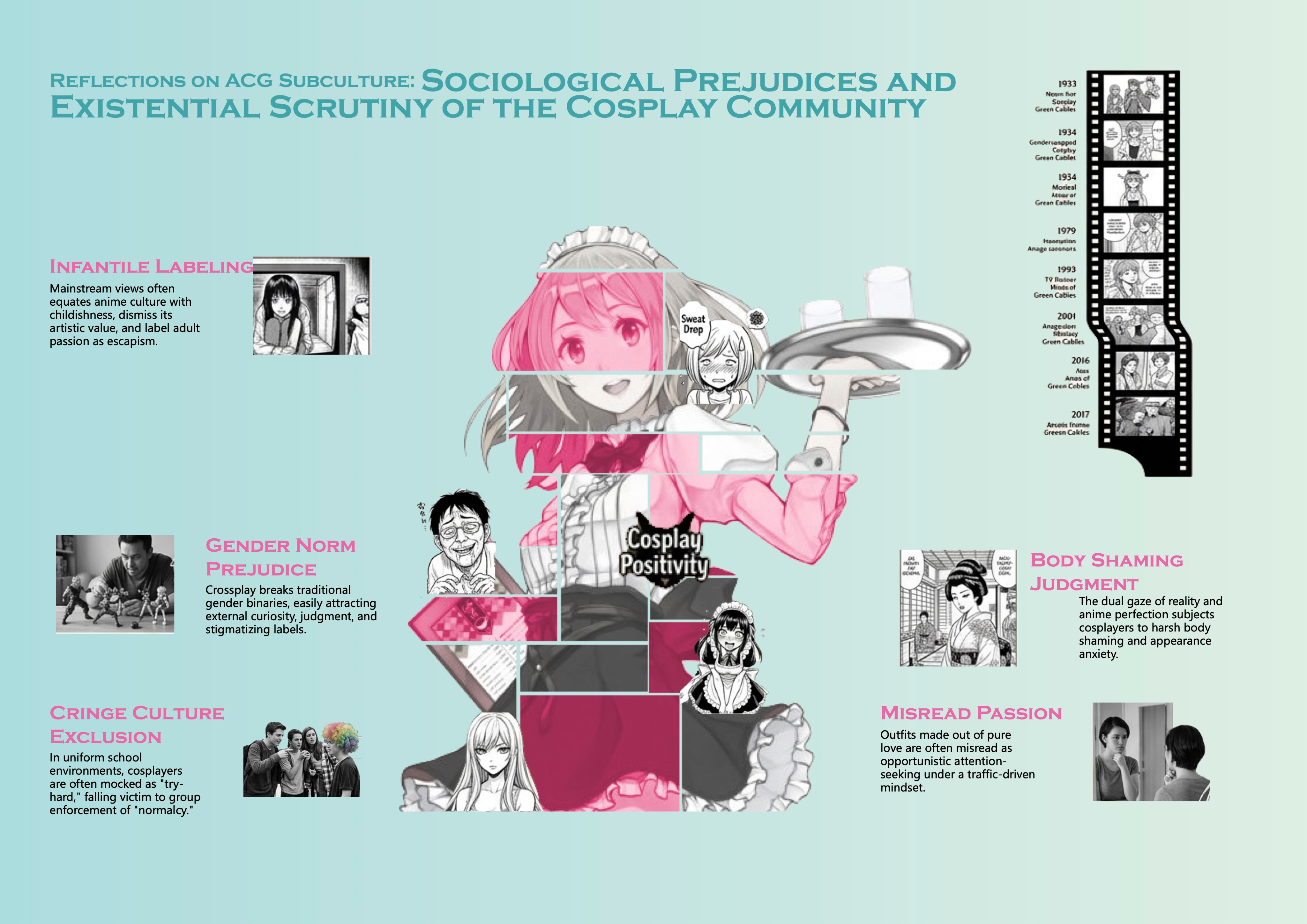
To answer this question, I used an intersectional judgment model. It shows that anime watching is often accepted as mainstream culture, but prejudice increases when identity becomes visible through cosplay, especially in crossplay, gender subversion, or non-traditional body expression.
why is a physical club still necessary when anime communities already exist online?
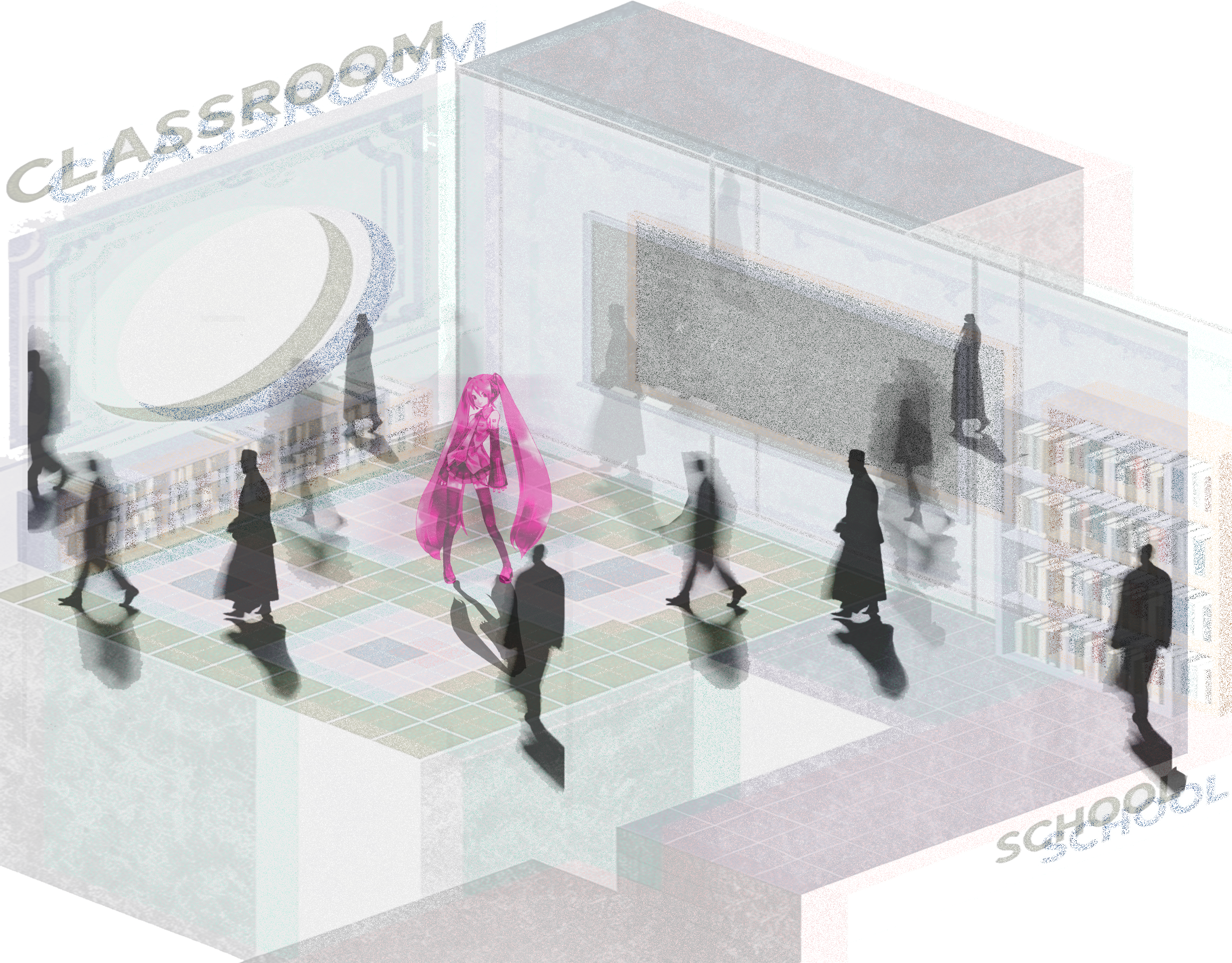
To answer the second question, I created a spatial heatmap of the “gaze.” It compares anonymous web spaces, school hallways, social media, and club spaces. The model shows that a trusted club environment can reduce judgment pressure and support safer identity expression.
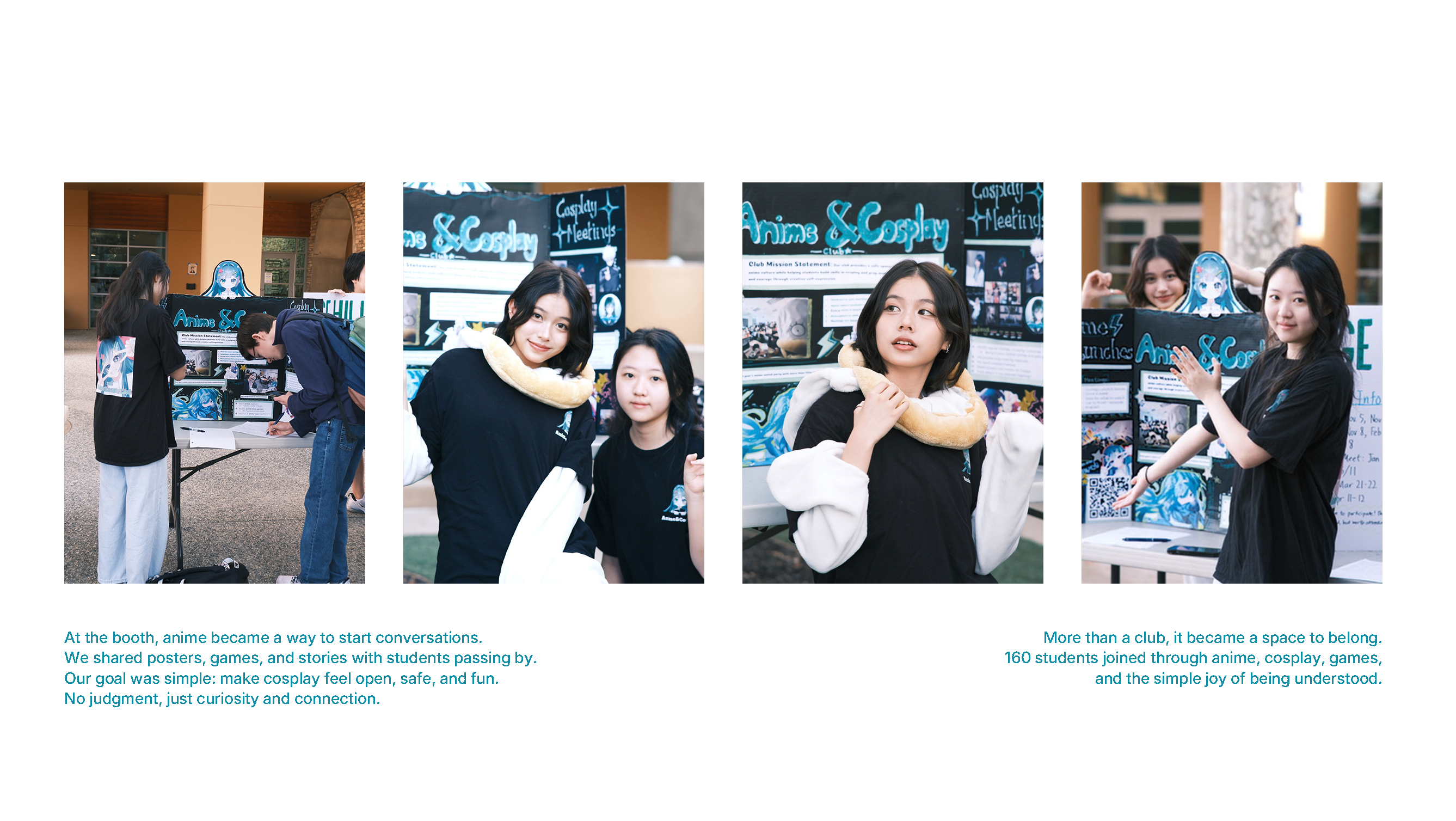
As a student-led organization, the club met every week and remained open to all students across the school. Our meetings combined anime discussions, character analysis, cosplay workshops, performances, and lighthearted group games. These recurring activities gave students different ways to participate, whether they wanted to perform, create costumes, discuss characters, share artwork, or simply meet others with similar interests.
Throughout the meetings, we emphasized respectful listening and nonjudgmental participation. Members were encouraged to express their interpretations freely, even when their experiences of gender, identity, beauty, or belonging differed from those of others. This structure allowed the club to develop into one of the largest and most active student organizations on campus, attracting 160 members within a school community of approximately 600 students.
Action
Offline Action: Rebuilding the Campus Community Culture
Project 01
Theme Discussion & Cosplay Exhibition
Goal
Power Dynamics & Gender Subversion
character
Makima from Chainsaw Man
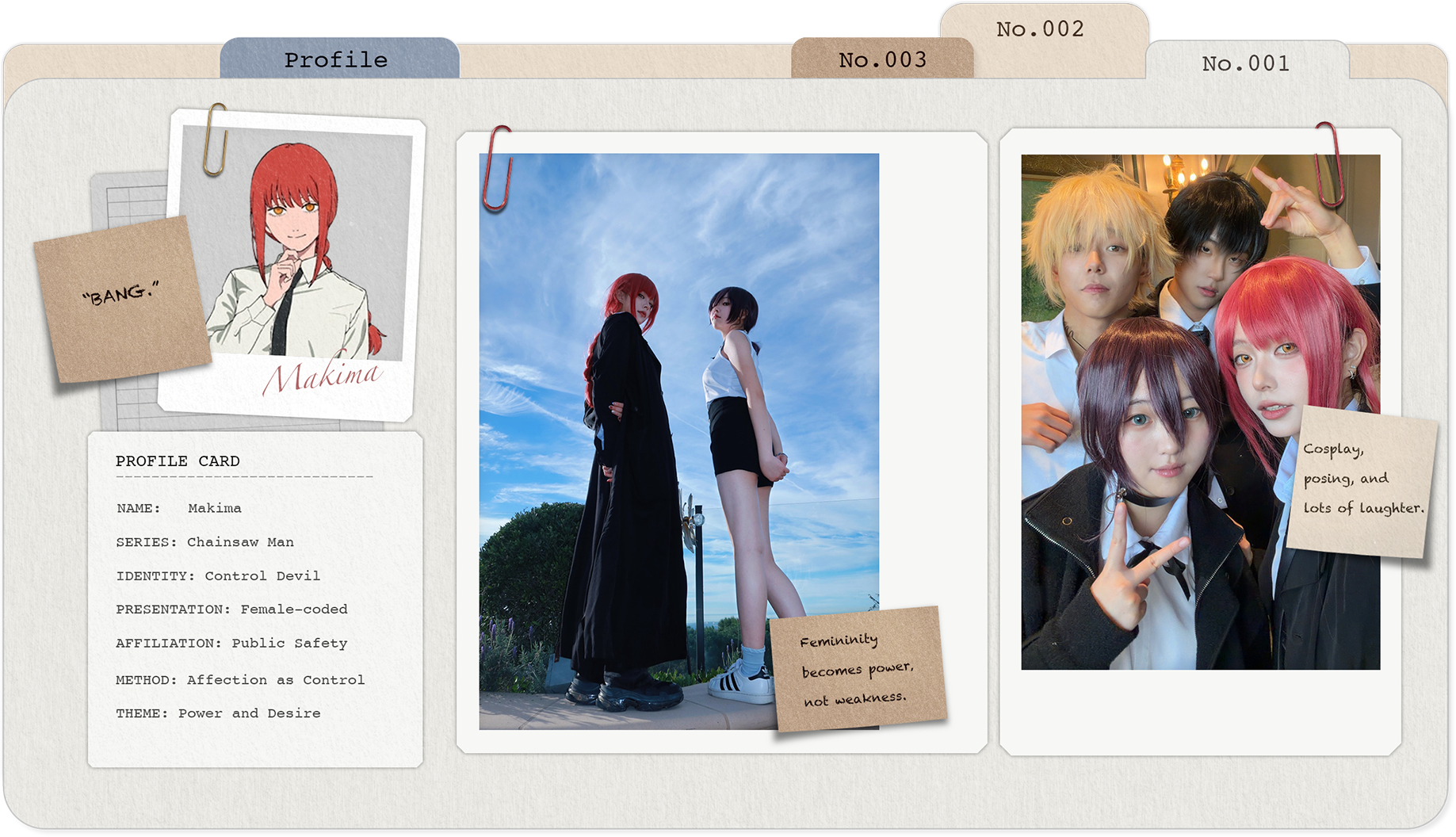
The first activity used Makima from Chainsaw Man to explore power dynamics and gender subversion. Makima presents herself through a highly deceptive traditional feminine appearance, yet her inner identity is a devil beyond ordinary gender categories. More importantly, she controls the narrative through absolute manipulation, a form of authority usually reserved for male characters in mainstream stories. Through cosplay performance and character analysis, we guided members to discuss how femininity can be redefined as a tool of power rather than a symbol of passivity or weakness. This activity challenged the traditional equation of “female = vulnerable” and opened a deeper conversation about who gets to control desire, gaze, and authority.
Project 02
“New Generation Power Aesthetics” Theme Night
Goal
Deconstructing Hyper-Masculinity
character
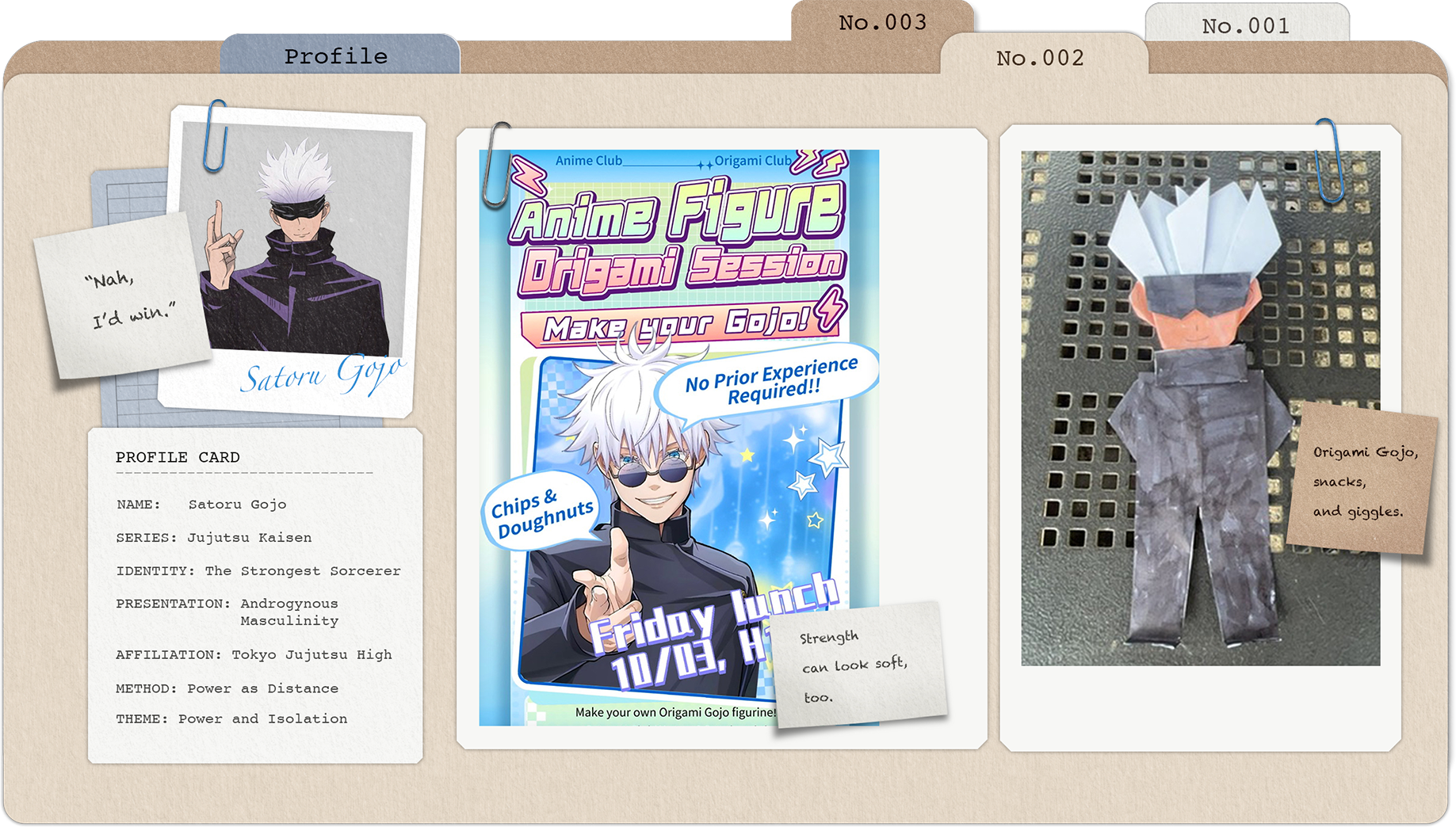
Gojo Satoru from Jujutsu Kaisen
The second activity centered on Gojo Satoru from Jujutsu Kaisen to question the traditional image of masculine strength. As one of the most powerful characters in the story, Gojo is not represented through exaggerated muscles, aggression, or the hard-body hero image often seen in American comics or earlier anime. Instead, his power coexists with elegance, playfulness, visual delicacy, and even the vulnerability created by his blindfolded appearance. Using this character, we encouraged male students and female crossplayers to explore how the highest form of strength can exist together with a softer, more fluid gender expression. The activity challenged the assumption that power must look rigid, masculine, or physically intimidating.
Project 03
“Cloth Doll and Mask” Experience Day
Goal
Anonymity & Disembodiment
character
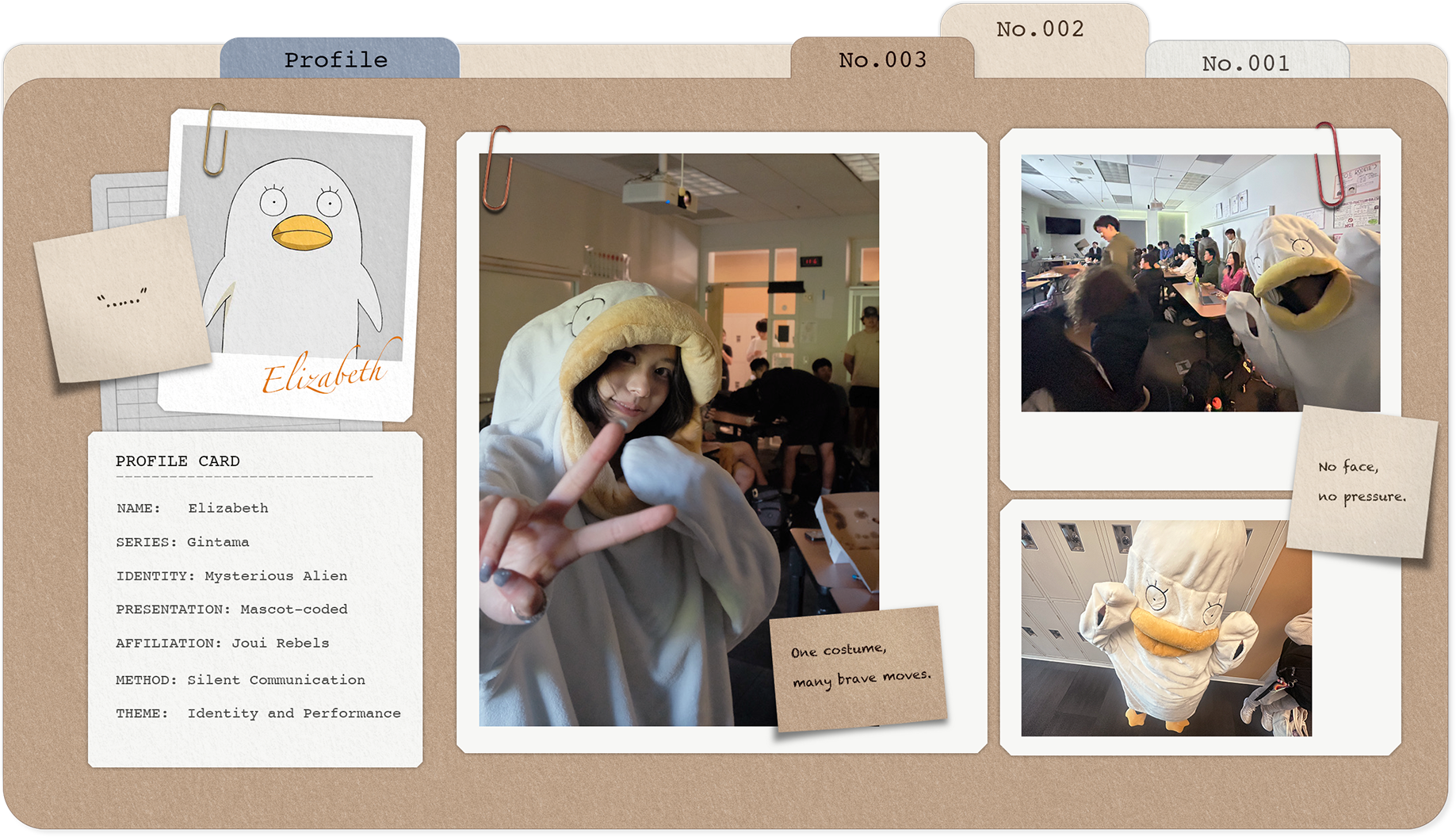
Elizabeth from Gintama
The third activity introduced Elizabeth from Gintama to explore anonymity and disembodiment in cosplay. Elizabeth’s iconic white penguin-like costume almost completely erases physical gender, facial features, body shape, and conventional beauty markers. By inviting members to experience this disembodied form of cosplay, we created a space with nearly zero appearance anxiety and zero body-based judgment. Under the heavy costume, participants found that they were no longer evaluated by how they looked, but by how they moved, interacted, and expressed themselves. Many discovered an unexpected sense of social freedom and confidence. This activity showed that cosplay can sometimes liberate identity not by revealing the body, but by temporarily removing it from the gaze.
Online Action: Aesthetic Empowerment and Cultural Outreach
The online part of the project extended the club’s influence beyond physical meetings. Since stereotypes about cosplay are often shaped by what people see online, I used Instagram, TikTok, and RedNote to present cosplay as a creative and thoughtful form of identity expression. This part included two directions: cultural communication through music and visual art, and stereotype-breaking through my own coser identity.
combined two of my strongest personal interests—cosplaying and singing—to create short-form videos for audiences who shared similar tastes in anime and music. By performing songs while interpreting different characters through costume, makeup, movement, and visual storytelling, I connected music fandom with cosplay culture in a more personal and accessible format. I also incorporated illustration, including hand-drawn character art and concept sketches, alongside other visual works to communicate ideas such as gender expression, identity performance, and subcultural belonging.
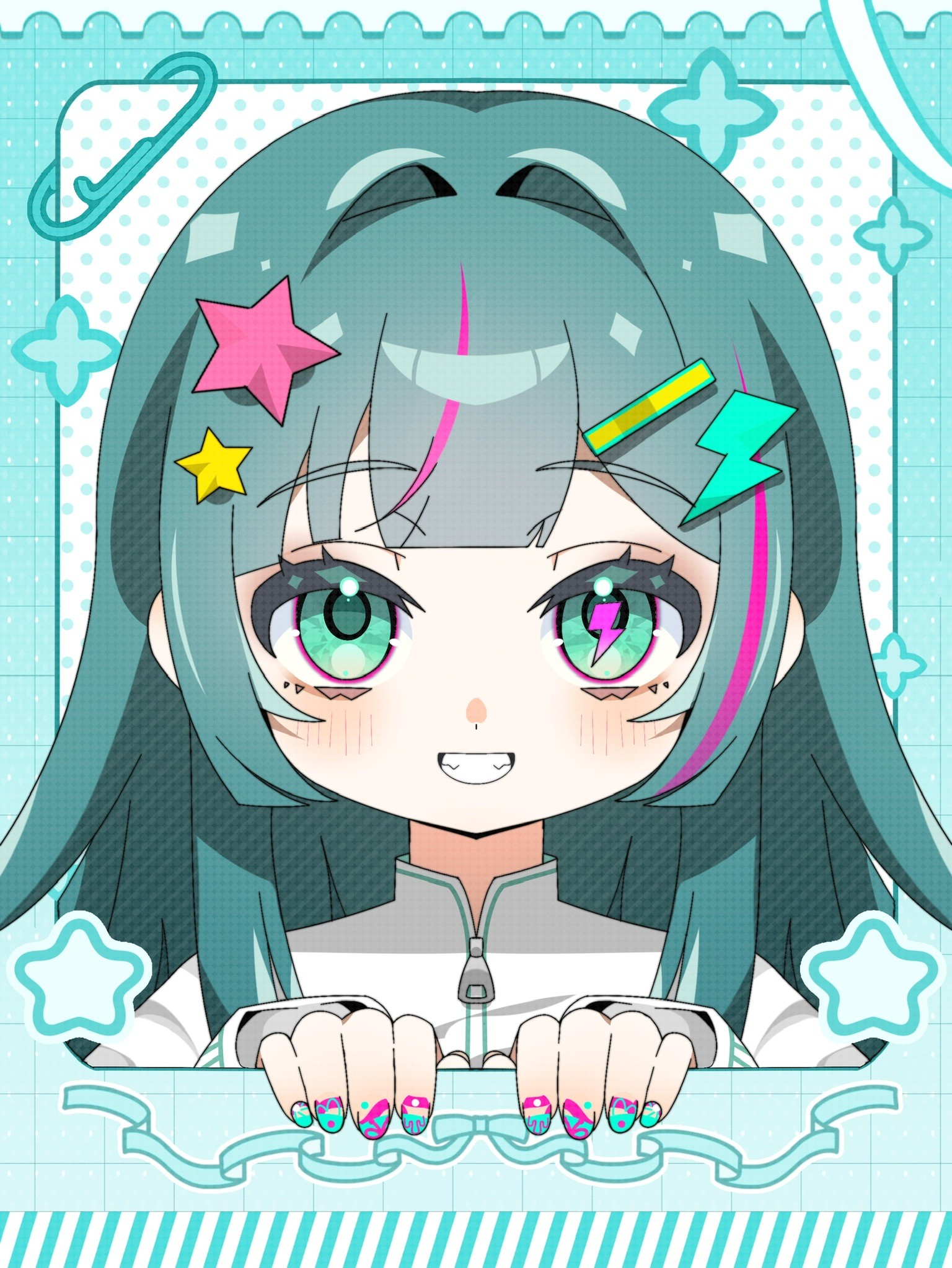
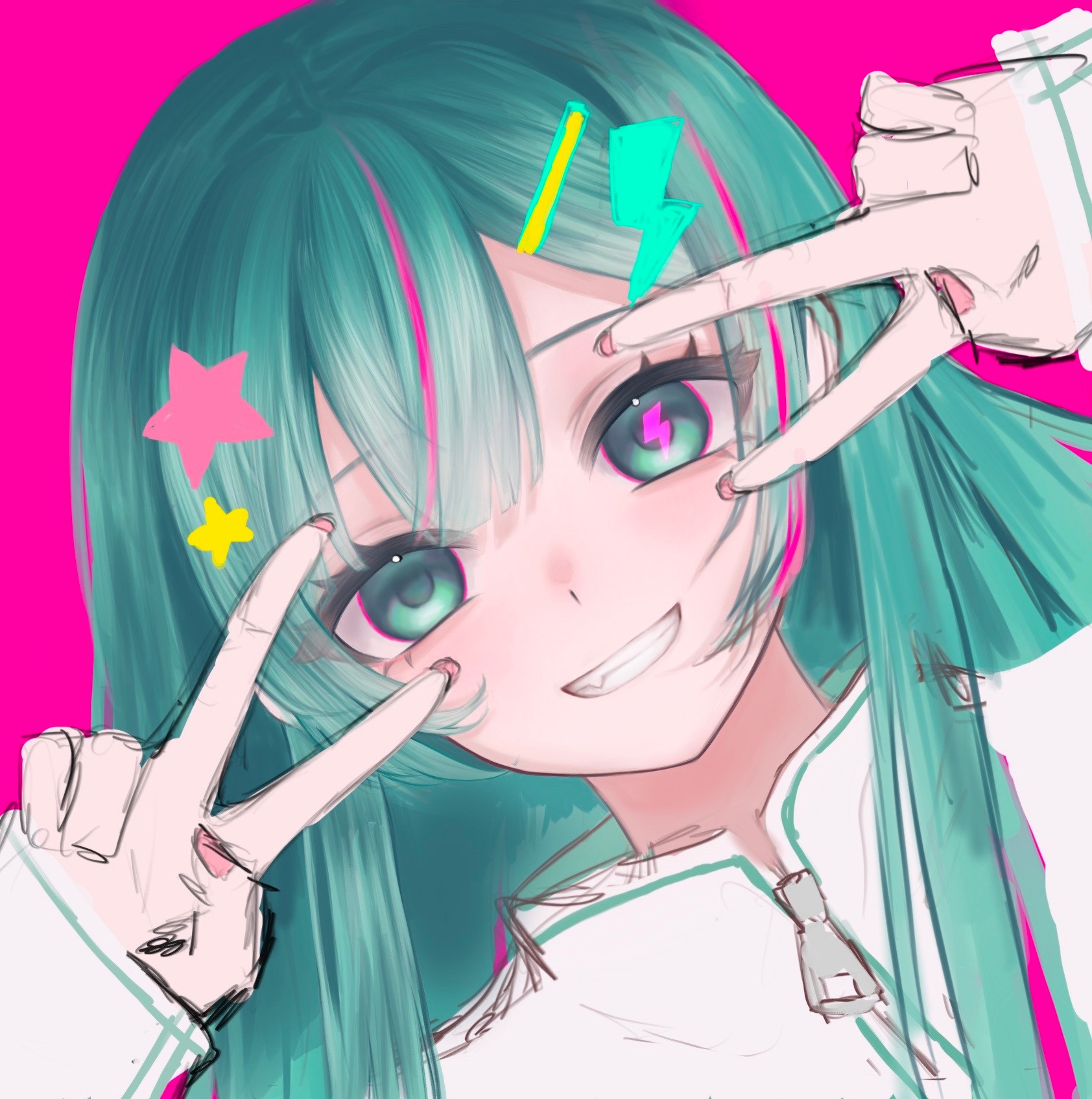
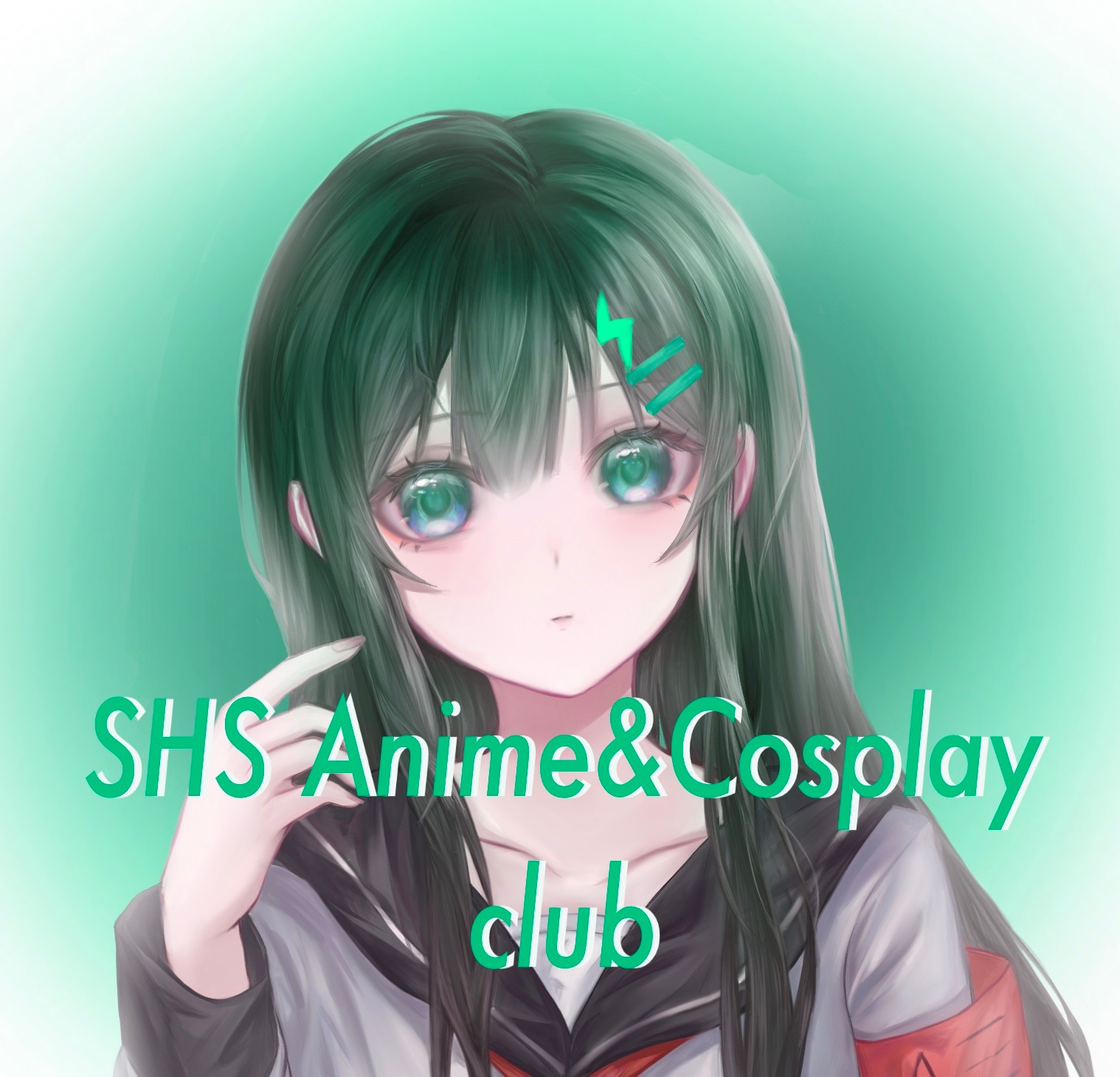
Through carefully planned photos, styling, character interpretation, and musical performances, I challenged the stereotype that cosers are simply “cringe” or attention-seeking. Instead, I presented cosplay as a form of artistic construction, self-expression, and identity exploration. By showing different sides of myself as both a coser and a singer, I hoped to make the community more visible, relatable, and less misunderstood.
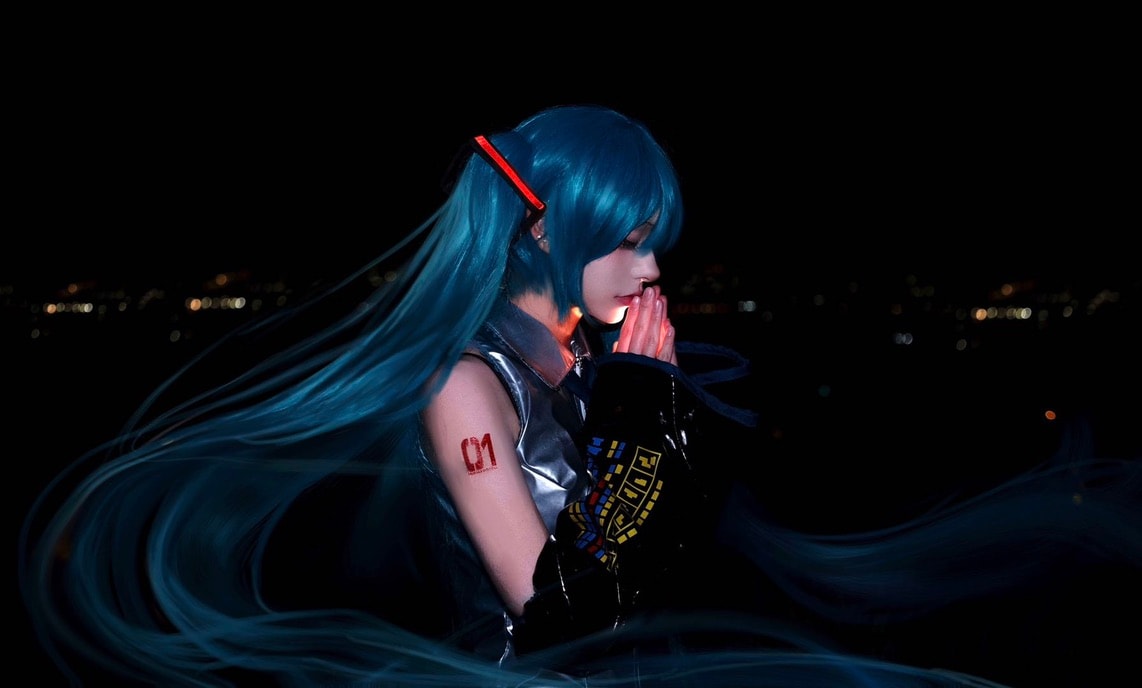
Hatsune Miku
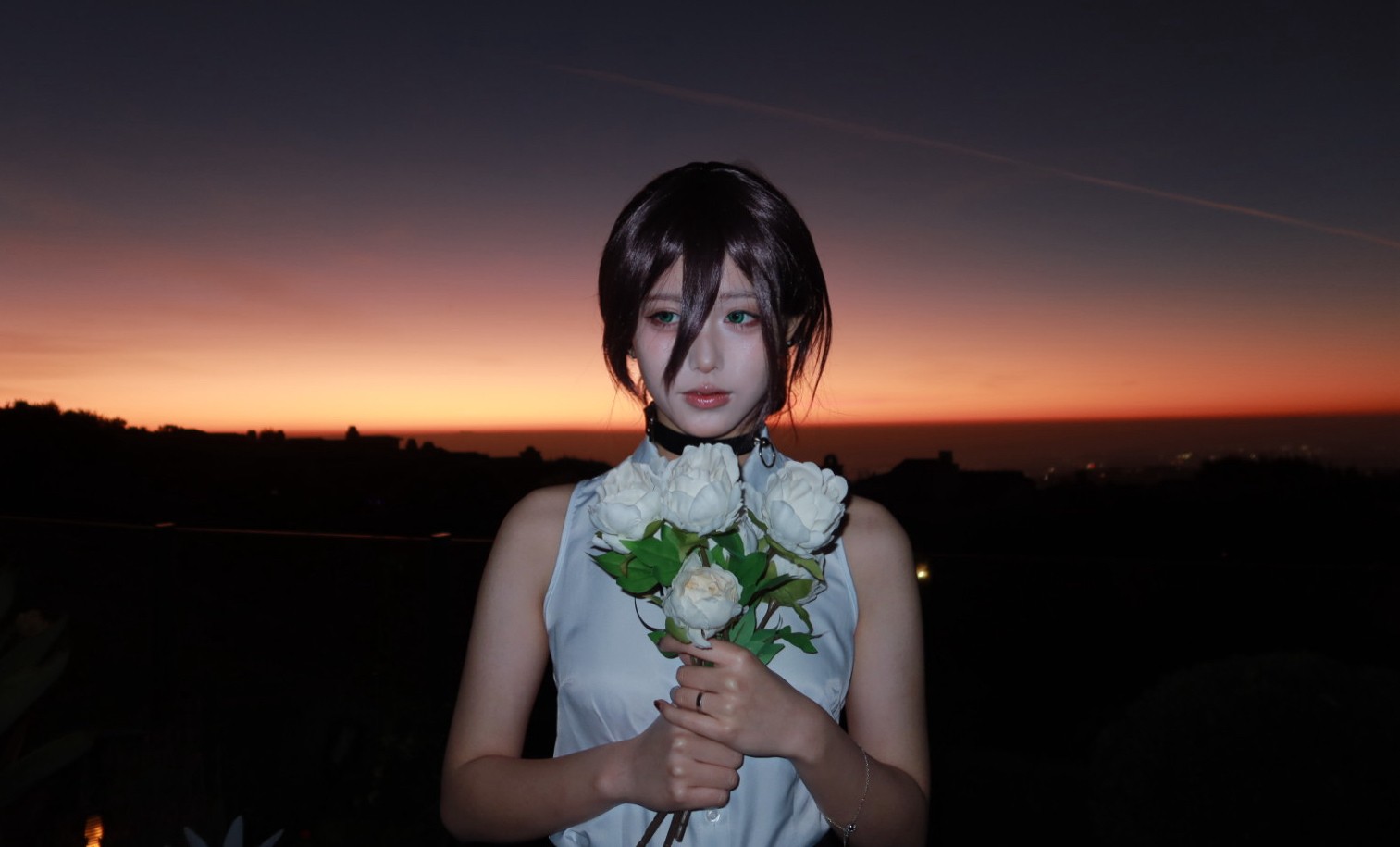
Reze, Chainsaw Man
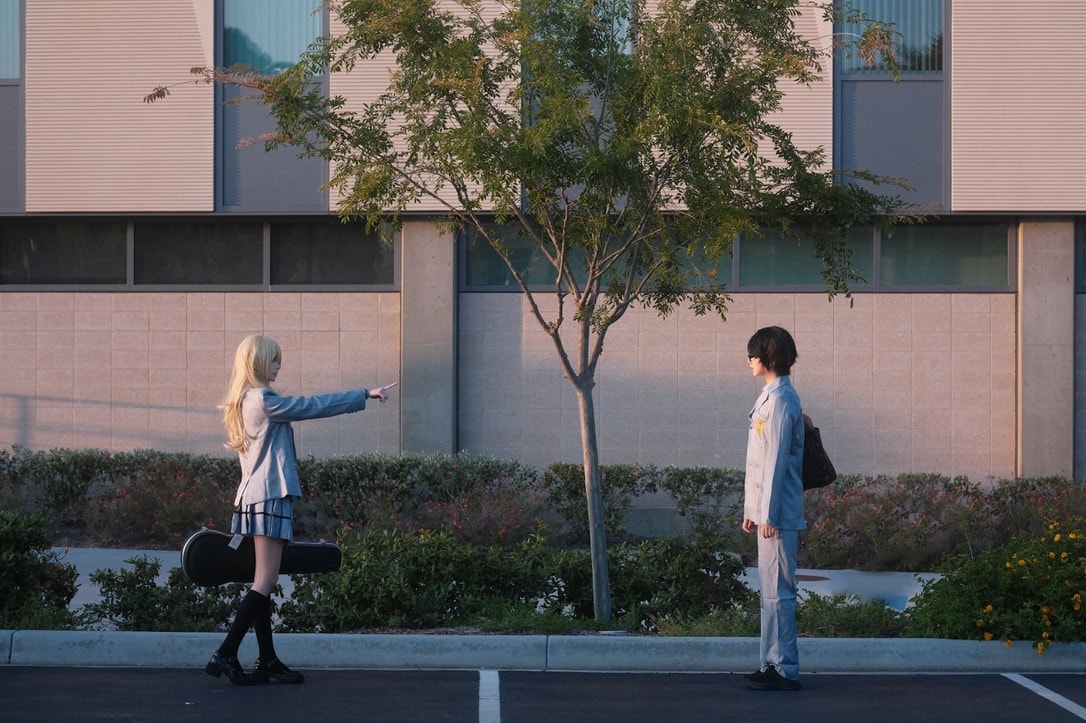
Miyazono Kawori, Your Lie in April
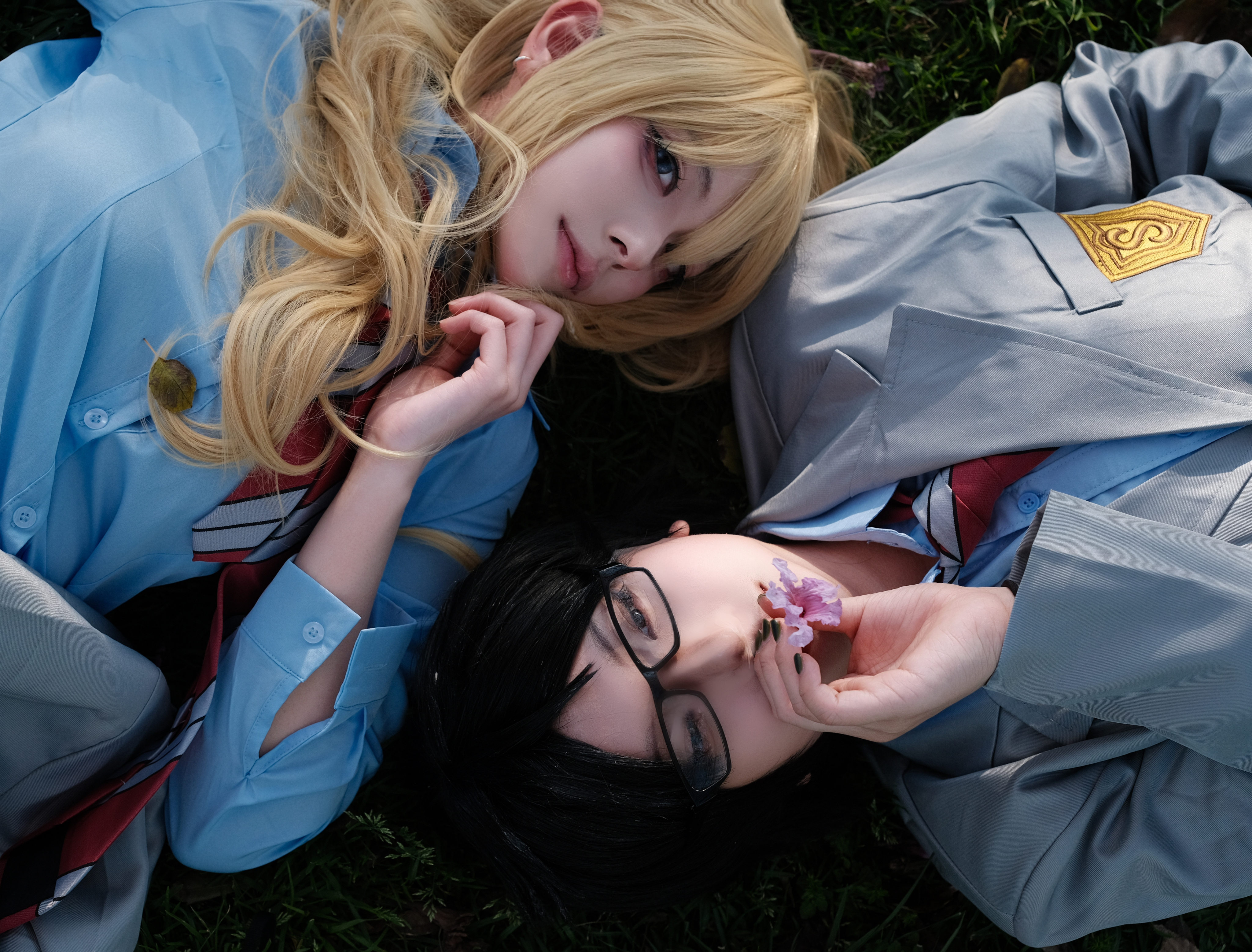
Miyazono Kawori, Your Lie in April
Impact
The project created impact in both offline and online spaces. Offline, the club helped break down the “walls” between isolated campus subgroups. Students from STEM, arts, sports, and subculture circles were no longer separated by fixed labels. Instead, the Anime and Cosplay Club became an inclusive hub where different identities could connect through shared creativity, games, performance, and discussion.
With 160 members in a school of approximately 600 students, it grew into one of the largest and most active clubs on campus. More importantly, it created a recurring, student-led space where members could express their interests without fear of ridicule and feel that their perspectives were genuinely heard.
Online, I used singing, illustration, and cosplay content to reach audiences beyond the school community. Casual viewers were first drawn in by music, character styling, and pop aesthetics, then introduced to deeper conversations about cosplay, identity, diversity, and stereotype-breaking. Across Instagram, TikTok, and RedNote, I was honored to build a combined audience of approximately 20,000 followers who shared similar interests in anime, cosplay, and music. Through this process, the project expanded from a campus club into a broader cross-platform creative community.

home
Inspiration
Research
Action
Impact

back to top
Cosplay & Anime Club
timeline
2025 – Present
role
Co-founder
Community Facilitator
Content Creator
skills
Community Building, Digital Media Strategy, Cross-Cultural Communication, Sociological Observation, Event Planning.
inspiration
Anime has become a mainstream part of Gen Z culture, but on many traditional high school campuses, being “mainstream” does not always mean being accepted. When someone moves from watching anime behind a screen to openly becoming a coser, they may still face labels such as “cringe,” “too much,” or “not fitting in.” These judgments become even stronger when cosplay involves gender-crossing, unconventional beauty, or body expressions outside traditional norms.
This contrast between cultural mainstreaming and social labeling inspired me to co-found a student-led Anime and Cosplay Club. Open to the entire school, the club hosts weekly anime discussions, cosplay activities, and interactive games. Its purpose is not only to introduce more students to this distinctive subculture, but also to challenge stereotypes and create a safe, nonjudgmental space where every member’s ideas and experiences can be heard.
Research
Where do cosplay stereotypes come from?
To answer this question, I used an intersectional judgment model. It shows that anime watching is often accepted as mainstream culture, but prejudice increases when identity becomes visible through cosplay, especially in crossplay, gender subversion, or non-traditional body expression.
why is a physical club still necessary when anime communities already exist online?
To answer the second question, I created a spatial heatmap of the “gaze.” It compares anonymous web spaces, school hallways, social media, and club spaces. The model shows that a trusted club environment can reduce judgment pressure and support safer identity expression.
As a student-led organization, the club met every week and remained open to all students across the school. Our meetings combined anime discussions, character analysis, cosplay workshops, performances, and lighthearted group games. These recurring activities gave students different ways to participate, whether they wanted to perform, create costumes, discuss characters, share artwork, or simply meet others with similar interests.
Throughout the meetings, we emphasized respectful listening and nonjudgmental participation. Members were encouraged to express their interpretations freely, even when their experiences of gender, identity, beauty, or belonging differed from those of others. This structure allowed the club to develop into one of the largest and most active student organizations on campus, attracting 160 members within a school community of approximately 600 students.
Action
Offline Action: Rebuilding the Campus Community Culture
Project 01
Theme Discussion & Cosplay Exhibition
Goal
Power Dynamics & Gender Subversion
character
Makima from Chainsaw Man
The first activity used Makima from Chainsaw Man to explore power dynamics and gender subversion. Makima presents herself through a highly deceptive traditional feminine appearance, yet her inner identity is a devil beyond ordinary gender categories. More importantly, she controls the narrative through absolute manipulation, a form of authority usually reserved for male characters in mainstream stories. Through cosplay performance and character analysis, we guided members to discuss how femininity can be redefined as a tool of power rather than a symbol of passivity or weakness. This activity challenged the traditional equation of “female = vulnerable” and opened a deeper conversation about who gets to control desire, gaze, and authority.
Project 02
“New Generation Power Aesthetics” Theme Night
Goal
Deconstructing Hyper-Masculinity
character
Gojo Satoru from Jujutsu Kaisen
The second activity centered on Gojo Satoru from Jujutsu Kaisen to question the traditional image of masculine strength. As one of the most powerful characters in the story, Gojo is not represented through exaggerated muscles, aggression, or the hard-body hero image often seen in American comics or earlier anime. Instead, his power coexists with elegance, playfulness, visual delicacy, and even the vulnerability created by his blindfolded appearance. Using this character, we encouraged male students and female crossplayers to explore how the highest form of strength can exist together with a softer, more fluid gender expression. The activity challenged the assumption that power must look rigid, masculine, or physically intimidating.
Project 03
“Cloth Doll and Mask” Experience Day
Goal
Anonymity & Disembodiment
character
Elizabeth from Gintama
The third activity introduced Elizabeth from Gintama to explore anonymity and disembodiment in cosplay. Elizabeth’s iconic white penguin-like costume almost completely erases physical gender, facial features, body shape, and conventional beauty markers. By inviting members to experience this disembodied form of cosplay, we created a space with nearly zero appearance anxiety and zero body-based judgment. Under the heavy costume, participants found that they were no longer evaluated by how they looked, but by how they moved, interacted, and expressed themselves. Many discovered an unexpected sense of social freedom and confidence. This activity showed that cosplay can sometimes liberate identity not by revealing the body, but by temporarily removing it from the gaze.
Online Action: Aesthetic Empowerment and Cultural Outreach
The online part of the project extended the club’s influence beyond physical meetings. Since stereotypes about cosplay are often shaped by what people see online, I used Instagram, TikTok, and RedNote to present cosplay as a creative and thoughtful form of identity expression. This part included two directions: cultural communication through music and visual art, and stereotype-breaking through my own coser identity.
combined two of my strongest personal interests—cosplaying and singing—to create short-form videos for audiences who shared similar tastes in anime and music. By performing songs while interpreting different characters through costume, makeup, movement, and visual storytelling, I connected music fandom with cosplay culture in a more personal and accessible format. I also incorporated illustration, including hand-drawn character art and concept sketches, alongside other visual works to communicate ideas such as gender expression, identity performance, and subcultural belonging.
Through carefully planned photos, styling, character interpretation, and musical performances, I challenged the stereotype that cosers are simply “cringe” or attention-seeking. Instead, I presented cosplay as a form of artistic construction, self-expression, and identity exploration. By showing different sides of myself as both a coser and a singer, I hoped to make the community more visible, relatable, and less misunderstood.
Hatsune Miku
Reze, Chainsaw Man
Miyazono Kawori, Your Lie in April
Miyazono Kawori, Your Lie in April
Impact
The project created impact in both offline and online spaces. Offline, the club helped break down the “walls” between isolated campus subgroups. Students from STEM, arts, sports, and subculture circles were no longer separated by fixed labels. Instead, the Anime and Cosplay Club became an inclusive hub where different identities could connect through shared creativity, games, performance, and discussion.
With 160 members in a school of approximately 600 students, it grew into one of the largest and most active clubs on campus. More importantly, it created a recurring, student-led space where members could express their interests without fear of ridicule and feel that their perspectives were genuinely heard.
Online, I used singing, illustration, and cosplay content to reach audiences beyond the school community. Casual viewers were first drawn in by music, character styling, and pop aesthetics, then introduced to deeper conversations about cosplay, identity, diversity, and stereotype-breaking. Across Instagram, TikTok, and RedNote, I was honored to build a combined audience of approximately 20,000 followers who shared similar interests in anime, cosplay, and music. Through this process, the project expanded from a campus club into a broader cross-platform creative community.

home
Inspiration
Research
Action
Impact

back to top
Cosplay & Anime Club
timeline
2025 – Present
role
Co-founder
Community Facilitator
Content Creator
skills
Community Building, Digital Media Strategy, Cross-Cultural Communication, Sociological Observation, Event Planning.
inspiration
Anime has become a mainstream part of Gen Z culture, but on many traditional high school campuses, being “mainstream” does not always mean being accepted. When someone moves from watching anime behind a screen to openly becoming a coser, they may still face labels such as “cringe,” “too much,” or “not fitting in.” These judgments become even stronger when cosplay involves gender-crossing, unconventional beauty, or body expressions outside traditional norms.
This contrast between cultural mainstreaming and social labeling inspired me to co-found a student-led Anime and Cosplay Club. Open to the entire school, the club hosts weekly anime discussions, cosplay activities, and interactive games. Its purpose is not only to introduce more students to this distinctive subculture, but also to challenge stereotypes and create a safe, nonjudgmental space where every member’s ideas and experiences can be heard.
Research
Where do cosplay stereotypes come from?
To answer this question, I used an intersectional judgment model. It shows that anime watching is often accepted as mainstream culture, but prejudice increases when identity becomes visible through cosplay, especially in crossplay, gender subversion, or non-traditional body expression.
why is a physical club still necessary when anime communities already exist online?
To answer the second question, I created a spatial heatmap of the “gaze.” It compares anonymous web spaces, school hallways, social media, and club spaces. The model shows that a trusted club environment can reduce judgment pressure and support safer identity expression.
As a student-led organization, the club met every week and remained open to all students across the school. Our meetings combined anime discussions, character analysis, cosplay workshops, performances, and lighthearted group games. These recurring activities gave students different ways to participate, whether they wanted to perform, create costumes, discuss characters, share artwork, or simply meet others with similar interests.
Throughout the meetings, we emphasized respectful listening and nonjudgmental participation. Members were encouraged to express their interpretations freely, even when their experiences of gender, identity, beauty, or belonging differed from those of others. This structure allowed the club to develop into one of the largest and most active student organizations on campus, attracting 160 members within a school community of approximately 600 students.
Action
Offline Action: Rebuilding the Campus Community Culture
Project 01
Theme Discussion & Cosplay Exhibition
Goal
Power Dynamics & Gender Subversion
character
Makima from Chainsaw Man
The first activity used Makima from Chainsaw Man to explore power dynamics and gender subversion. Makima presents herself through a highly deceptive traditional feminine appearance, yet her inner identity is a devil beyond ordinary gender categories. More importantly, she controls the narrative through absolute manipulation, a form of authority usually reserved for male characters in mainstream stories. Through cosplay performance and character analysis, we guided members to discuss how femininity can be redefined as a tool of power rather than a symbol of passivity or weakness. This activity challenged the traditional equation of “female = vulnerable” and opened a deeper conversation about who gets to control desire, gaze, and authority.
Project 02
“New Generation Power Aesthetics” Theme Night
Goal
Deconstructing Hyper-Masculinity
character
Gojo Satoru from Jujutsu Kaisen
The second activity centered on Gojo Satoru from Jujutsu Kaisen to question the traditional image of masculine strength. As one of the most powerful characters in the story, Gojo is not represented through exaggerated muscles, aggression, or the hard-body hero image often seen in American comics or earlier anime. Instead, his power coexists with elegance, playfulness, visual delicacy, and even the vulnerability created by his blindfolded appearance. Using this character, we encouraged male students and female crossplayers to explore how the highest form of strength can exist together with a softer, more fluid gender expression. The activity challenged the assumption that power must look rigid, masculine, or physically intimidating.
Project 03
“Cloth Doll and Mask” Experience Day
Goal
Anonymity & Disembodiment
character
Elizabeth from Gintama
The third activity introduced Elizabeth from Gintama to explore anonymity and disembodiment in cosplay. Elizabeth’s iconic white penguin-like costume almost completely erases physical gender, facial features, body shape, and conventional beauty markers. By inviting members to experience this disembodied form of cosplay, we created a space with nearly zero appearance anxiety and zero body-based judgment. Under the heavy costume, participants found that they were no longer evaluated by how they looked, but by how they moved, interacted, and expressed themselves. Many discovered an unexpected sense of social freedom and confidence. This activity showed that cosplay can sometimes liberate identity not by revealing the body, but by temporarily removing it from the gaze.
Online Action: Aesthetic Empowerment and Cultural Outreach
The online part of the project extended the club’s influence beyond physical meetings. Since stereotypes about cosplay are often shaped by what people see online, I used Instagram, TikTok, and RedNote to present cosplay as a creative and thoughtful form of identity expression. This part included two directions: cultural communication through music and visual art, and stereotype-breaking through my own coser identity.
combined two of my strongest personal interests—cosplaying and singing—to create short-form videos for audiences who shared similar tastes in anime and music. By performing songs while interpreting different characters through costume, makeup, movement, and visual storytelling, I connected music fandom with cosplay culture in a more personal and accessible format. I also incorporated illustration, including hand-drawn character art and concept sketches, alongside other visual works to communicate ideas such as gender expression, identity performance, and subcultural belonging.
Through carefully planned photos, styling, character interpretation, and musical performances, I challenged the stereotype that cosers are simply “cringe” or attention-seeking. Instead, I presented cosplay as a form of artistic construction, self-expression, and identity exploration. By showing different sides of myself as both a coser and a singer, I hoped to make the community more visible, relatable, and less misunderstood.
Hatsune Miku
Reze, Chainsaw Man
Miyazono Kawori, Your Lie in April
Miyazono Kawori, Your Lie in April
Impact
The project created impact in both offline and online spaces. Offline, the club helped break down the “walls” between isolated campus subgroups. Students from STEM, arts, sports, and subculture circles were no longer separated by fixed labels. Instead, the Anime and Cosplay Club became an inclusive hub where different identities could connect through shared creativity, games, performance, and discussion.
With 160 members in a school of approximately 600 students, it grew into one of the largest and most active clubs on campus. More importantly, it created a recurring, student-led space where members could express their interests without fear of ridicule and feel that their perspectives were genuinely heard.
Online, I used singing, illustration, and cosplay content to reach audiences beyond the school community. Casual viewers were first drawn in by music, character styling, and pop aesthetics, then introduced to deeper conversations about cosplay, identity, diversity, and stereotype-breaking. Across Instagram, TikTok, and RedNote, I was honored to build a combined audience of approximately 20,000 followers who shared similar interests in anime, cosplay, and music. Through this process, the project expanded from a campus club into a broader cross-platform creative community.